




| SNo. | Scientific Name | Locality | Habitat | Basis of Record | Description | Recorded By | Record Number | Island | Source | Date |
|---|---|---|---|---|---|---|---|---|---|---|
| 1 | Sauvagesia erecta | Puniuohua 1 | Common in pastures. | Preserved_Specimen | Flowers white, facing downward, open in morning. | Oppenheimer, H.L. | 80617 | Molokai | BISH | 2006-08-11 |
| 2 | Sauvagesia erecta | East island, Keopukaloa | disturbed pasture road | Preserved_Specimen | Hobdy, R.W. | 2560 | Molokai | BISH | 1986-04-08 | |
| 3 | Sauvagesia erecta | East island, Keopukaloa | disturbed pasture road | Preserved_Specimen | Hobdy, R.W. | 2559 | Molokai | BISH | 1986-04-08 | |
| 4 | Sauvagesia erecta | East island, Keopukaloa | disturbed pasture road | Preserved_Specimen | Hobdy, R.W. | 2557 | Molokai | BISH | 1986-04-08 | |
| 5 | Sauvagesia erecta | East island, Keopukaloa | disturbed pasture road | Preserved_Specimen | Hobdy, R.W. | 2556 | Molokai | BISH | 1986-04-08 | |
| 6 | Sauvagesia erecta | East Maui, Wahine pee, in first clearing after bamboo forest at Waikamoi (Wahine pee gate on Hana Hwy) | Moist soggy clay soil. Associated vegetation: Bamboo, Paspalum conjugatum, Hypericum sp. | Preserved_Specimen | Prostrate, slightly erect herb 1dm ht; flowers with translucent pink petals; rooting at nodes. | Starr, F. | 208033 | Maui | BISH | 2002-08-03 |
| 7 | Sauvagesia erecta | Keopukaloa | Common in pastures and waste areas. | Preserved_Specimen | Flowers pinkish, facing downward. | Oppenheimer, H.L. | 110712 | Molokai | BISH | 2007-11-06 |
| 8 | Sauvagesia erecta | East island, Keopukaloa | disturbed pasture road | Preserved_Specimen | Hobdy, R.W. | 2555 | Molokai | BISH | 1986-04-08 | |
| 9 | Sauvagesia erecta | East island, Keopukaloa | disturbed pasture road | Preserved_Specimen | Hobdy, R.W. | 2558 | Molokai | BISH | 1986-04-08 | |
| 10 | Sauvagesia erecta | East island, Keopukaloa | disturbed pasture road | Preserved_Specimen | Hobdy, R.W. | 2554 | Molokai | BISH | 1986-04-08 | |
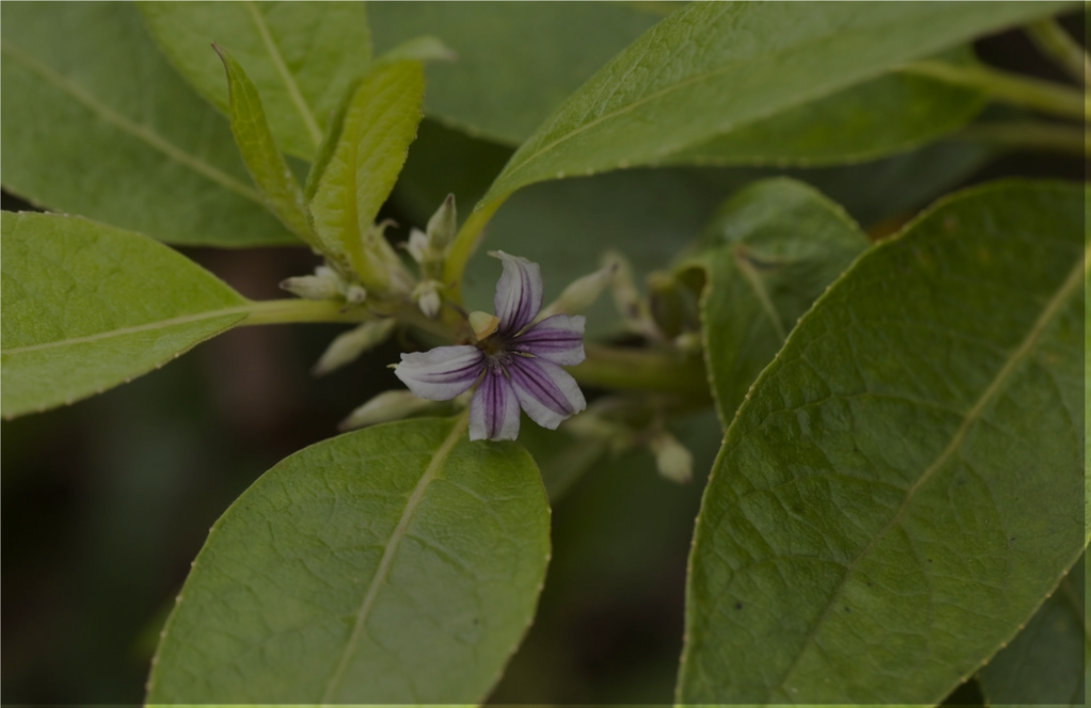
| 11 | Sauvagesia erecta | East island, Keopukaloa, Kalepa Road | Growing as weed along rough dirt pasture road. | Preserved_Specimen | Sepals 5, lanceolate: petals 5, regular, white, obovate; flower 1cm across; anchor shaped structures clustred around central structure on subpetals concealing anthers and pistil. Anthers bright yellow, opening by an apical pore and slit, ovary superior, style single. | Hobdy, R.W. | 2424 | Molokai | BISH | 1985-08-09 |
Lorem ipsum dolor sit amet, consectetur adipiscing elit, sed do eiusmod tempor incididunt ut labore et dolore magna aliqua. Ut enim ad minim veniam, quis nostrud exercitation ullamco laboris nisi ut aliquip ex ea commodo consequat. Duis aute irure dolor in reprehenderit in voluptate velit esse cillum dolore eu fugiat nulla pariatur. Excepteur sint occaecat cupidatat non proident, sunt in culpa qui officia deserunt mollit anim id est laborum.
Lorem ipsum dolor sit amet, consectetur adipiscing elit, sed do eiusmod tempor incididunt ut labore et dolore magna aliqua. Ut enim ad minim veniam, quis nostrud exercitation ullamco laboris nisi ut aliquip ex ea commodo consequat. Duis aute irure dolor in reprehenderit in voluptate velit esse cillum dolore eu fugiat nulla pariatur. Excepteur sint occaecat cupidatat non proident, sunt in culpa qui officia deserunt mollit anim id est laborum.
Lorem ipsum dolor sit amet, consectetur adipiscing elit, sed do eiusmod tempor incididunt ut labore et dolore magna aliqua. Ut enim ad minim veniam, quis nostrud exercitation ullamco laboris nisi ut aliquip ex ea commodo consequat. Duis aute irure dolor in reprehenderit in voluptate velit esse cillum dolore eu fugiat nulla pariatur. Excepteur sint occaecat cupidatat non proident, sunt in culpa qui officia deserunt mollit anim id est laborum.
Lorem ipsum dolor sit amet, consectetur adipiscing elit, sed do eiusmod tempor incididunt ut labore et dolore magna aliqua. Ut enim ad minim veniam, quis nostrud exercitation ullamco laboris nisi ut aliquip ex ea commodo consequat. Duis aute irure dolor in reprehenderit in voluptate velit esse cillum dolore eu fugiat nulla pariatur. Excepteur sint occaecat cupidatat non proident, sunt in culpa qui officia deserunt mollit anim id est laborum.
Lorem ipsum dolor sit amet, consectetur adipiscing elit, sed do eiusmod tempor incididunt ut labore et dolore magna aliqua. Ut enim ad minim veniam, quis nostrud exercitation ullamco laboris nisi ut aliquip ex ea commodo consequat. Duis aute irure dolor in reprehenderit in voluptate velit esse cillum dolore eu fugiat nulla pariatur. Excepteur sint occaecat cupidatat non proident, sunt in culpa qui officia deserunt mollit anim id est laborum.
Lorem ipsum dolor sit amet, consectetur adipiscing elit, sed do eiusmod tempor incididunt ut labore et dolore magna aliqua. Ut enim ad minim veniam, quis nostrud exercitation ullamco laboris nisi ut aliquip ex ea commodo consequat. Duis aute irure dolor in reprehenderit in voluptate velit esse cillum dolore eu fugiat nulla pariatur. Excepteur sint occaecat cupidatat non proident, sunt in culpa qui officia deserunt mollit anim id est laborum.
Thank you for your interest in submitting an image of
Select your image and leave a brief description of your photo below.